
When you are a creditor and there is a debtor bound to perform something specific under a contract who is unwilling to do so:
Can you imagine enforcing what was agreed, compulsorily, without having to hire a lawyer, without filing a claim, and without a judge having to order the debtor to perform by judgment?
I can imagine it, and in fact Ecuadorian law allows precisely that. Let me explain concretely how it works:
To achieve the above, the law has developed an innovative tool known as the SMART CONTRACT o “SMART CONTRACT”, which is developed and executed through computer programming, based on the use of BLOCKCHAIN technology, commonly — and very narrowly — associated with cryptocurrencies (Bitcoin, Ethereum, Binance Coin, etc.). This technology has countless applications that fall outside the scope of this brief explanation, but which I will address in future posts on this blog.
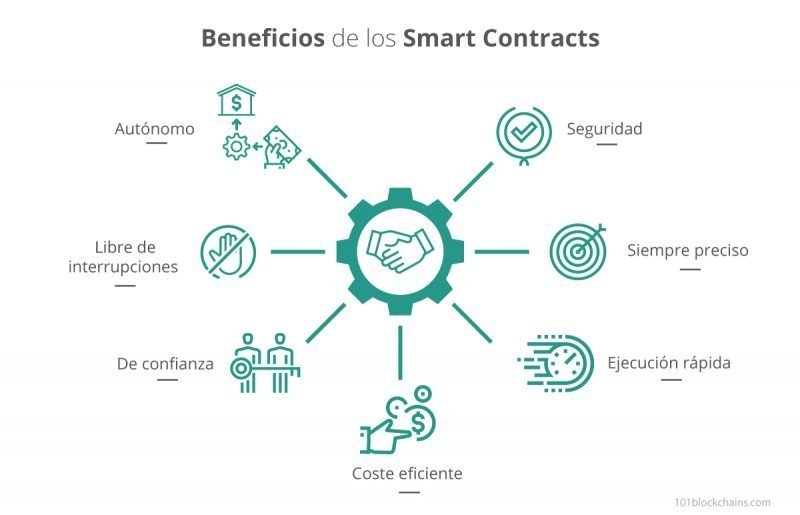
To put it simply, the “SMART CONTRACT” is generated and executed by a computer system, based on the terms and conditions agreed by the parties and programmed in advance; then, when one of the pre-programmed conditions (known as "triggers") fires, the program directly performs the contractual provision, without human intervention; that is, without having to wait for the obligated party to be willing to perform and, if they are not, having to hire a lawyer, sue, and have a judge order compulsory performance of that condition or contractual clause. Now then, And what about the BLOCKCHAIN? Think of the blockchain as the "notary" that attests to the acts, providing digital security to those involved and to the legal transaction as a whole. FANTASTIC! Let me explain with an example:
Although we may not realise it, we frequently enter into and perform SMART CONTRACTS; for example, when some time ago you downloaded the NETFLIX app on your smart TV and accepted the terms and conditions of the service, you entered into a smart contract and did not have to sign anything physically; then you added your debit or credit card to pay for the service, and you did not have to pay at a till; once payment was made, you were enabled to enjoy that streaming platform's catalogue of series and films without having to go anywhere to request activation. In other words, NETFLIX performed the consideration to which you became entitled by virtue of your payment.
Later, for some reason, the recurring monthly payment for the NETFLIX service was declined by your bank, which entitles NETFLIX to bar your access to the service — without the streaming platform having had to sue you in order to enforce what was agreed. Naturally, you will find a way to pay what is owed so as not to miss the next episode of your favourite series, which is about to end; you pay, and the service automatically returns. That is how a SMART CONTRACT works.
While the NETFLIX example is useful to explain the concept, I must stress that this is only a tiny, minute application of "SMART CONTRACTS", which can be tailor-made for an immense variety of legal purposes, especially in commerce. Think about it:
Are there processes in your business that could be automated and that do not require human intervention?
If the answer is yes, seriously consider designing and implementing a "SMART CONTRACT" and open the door to the digital transformation of your activities; always take advice from your trusted lawyer when making that decision.
Incidentally, the SMART CONTRACT is named and regulated in our legislation, in Article 77 of the Commercial Code, which puts us at the forefront of law in the region, since it is not common to find it defined this way in comparative law. Have a look at that provision when you have time.
If you have any questions, write to me: info@fabriziogarcia.com
Att.
Fabrizio